Shower resealing
Shower Resealing in Wollongong
Silicone is the flexible seal in every corner, along the hob and around the screen. When it turns black, peels or pulls away, water gets in behind it. We cut the old silicone out completely and reseal your shower properly.
- 12 to 24 hoursusually back in use
- Tiles stayno retiling
- Free quoteno obligation
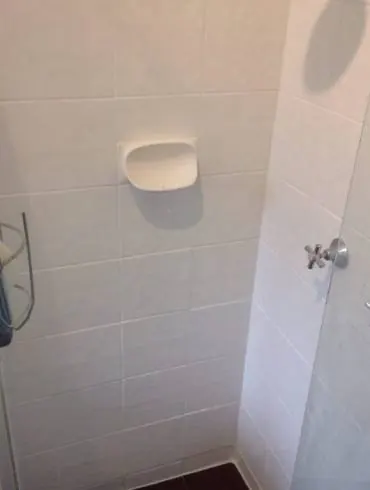
Where silicone goes
Every Joint That Needs to Flex
Grout is rigid. Wherever two surfaces meet, or can move against each other, a bathroom needs silicone instead. These are the joints we check and reseal.
- Internal cornersWhere two tiled walls meet, top to bottom.
- Wall to floorThe joint along the base of every wall in the shower.
- The hobWhere the hob meets the floor and the screen sits on it.
- The screenAlong the glass and its channel, inside and out.
- Around the mixerWhere tapware and fittings meet the tiles.
- Bath edgeWhere the bath meets the wall tiles.
- Vanity and basinAlong the top where it meets the wall.
Silicone is a flexible joint, not a waterproofing layer. If it has been hiding a bigger problem, we'll tell you.
The fix
Why Silicone Fails, and How We Reseal It
Why it fails
- It agesSilicone hardens and shrinks over time and starts to pull away from the tiles.
- Mould gets into itBlack spots grow into the silicone, so cleaning won't shift them.
- Joints moveSmall movements in the building crack a joint that has lost its give.
- New over oldA fresh bead over old silicone rarely bonds, and it rarely lasts.
How we reseal
- 01Cut it all outEvery bit of old silicone comes out of every joint.
- 02Clean and treatResidue and mould are removed from the joint.
- 03Let it dryThe joint has to be dry for new silicone to bond.
- 04Reseal neatlyNew silicone goes in and is finished to a clean, even line.
- 05Leave it to cureUsually 12 to 24 hours before the shower is used again.
Not sure which you need?
Reseal or Regrout?
They fix different joints, and plenty of showers need a bit of both. Here's the difference.
Resealing
- ReplacesSilicone
- WhereCorners, the hob, the screen, the bath and vanity
- Tell-tale signsBlack, peeling or lifting silicone, gaps along a corner
- TilesStay in place
Regrouting
- ReplacesGrout
- WhereThe joints between tiles, on the walls and floor
- Tell-tale signsCracked, missing, crumbling or mouldy grout
- TilesStay in place
If water is getting in through both, we'll quote for both together.
Siliconing over old silicone is a shortcut. It rarely bonds, and it rarely lasts.
Shower Resealing Across the Illawarra
We're based in the Illawarra and work across Wollongong every week, from the northern suburbs down through Shellharbour and Kiama, and along the South Coast from Cronulla to Nowra and the Southern Highlands.
Resealing Questions
The questions we're asked most about resealing. Can't see yours? Send us a photo.
Ask us a questionHow often does a shower need resealing?
There isn't a fixed timetable. It's time when the silicone is discoloured, cracked, peeling or pulling away from the tiles. Drying the shower after use and keeping the bathroom ventilated helps new silicone last longer.
Can the black mould just be cleaned off the silicone?
Usually not for long. Mould grows into silicone rather than sitting on top of it, so once it has turned black, replacing the silicone is the real fix.
Will resealing stop my shower leaking?
If the water is getting in through failed silicone, yes. If it's coming through the grout, the hob, a gap around a mixer or a failed membrane, new silicone on its own won't stop it, which is why we check before we quote.
Do you remove all of the old silicone?
Yes. Every bit of the old silicone is cut out and the joint is cleaned and dried before new silicone goes in. Putting new silicone over old silicone is a shortcut that rarely lasts.
How soon can I use the shower after resealing?
Usually after 12 to 24 hours, once the new silicone has cured. We'll confirm the time for your shower on the day.
Can you reseal around the bath and vanity too?
Yes. Baths, vanities and basins have the same kind of flexible joints, and we can reseal them while we're there.
Send Us a Photo of the Silicone.
A clear photo of the corners, the hob and the screen is usually enough for Paul to tell you whether a reseal will do the job.
- Free, no-obligation quotes
- Send photos so we can come prepared
- 25+ years of local wet-area experience