Shower regrouting
Shower Regrouting in Wollongong
Grout that has cracked, crumbled or turned black does more than look tired. It lets water under your tiles. We rake it out, regrout and seal it, for a fraction of the cost of retiling.
- Tiles stayno retiling
- Sealedto help it last
- Free quoteno obligation
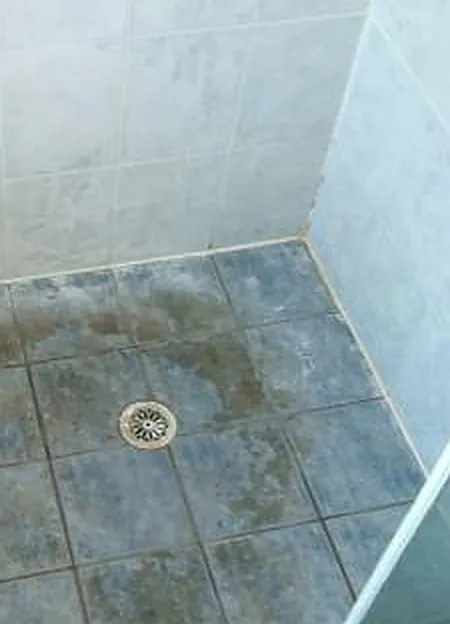
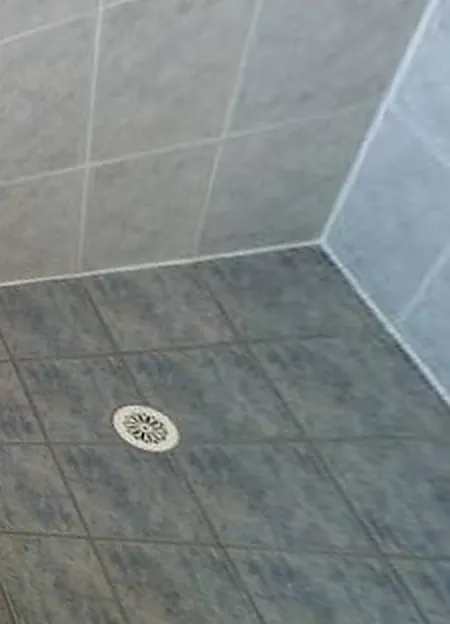
The same shower floor, before and after. Drag to compare.
Signs it's time
When Grout Stops Doing Its Job
Cracked or missing grout. In a shower, gaps in the grout let water straight under the tiles. That's where many leaks start.
Mould that won't shift. Bathrooms are warm and humid, the perfect place for mould. Once it's in porous grout, no amount of cleaning gets it out. Regrouting does.
Tired, discoloured lines. It isn't always the tiles that make a bathroom look old. Often it's the grout, and new grout can make the same tiles look new again.
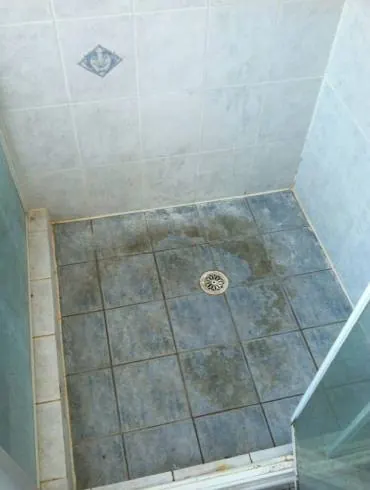
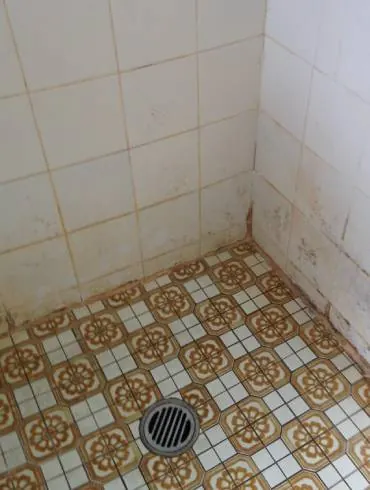
Choosing the grout
Cement Grout or Epoxy Grout?
The grout matters as much as the workmanship. We'll recommend the right one for each part of your shower.
Cement grout
- WaterPorous, and absorbs water over time
- Best forWall tiles and drier areas
- Looking after itNeeds sealing to resist staining
Epoxy grout
- WaterFar less porous and highly water resistant
- Best forShower floors, where water sits longest
- Looking after itResists staining and is easier to keep clean
The process
How We Regrout a Shower
Done in this order, every time, so the new grout bonds and lasts.
- 01
Rake out
The old grout is removed from between the tiles.
- 02
Vacuum and clean
Every joint is cleaned out so nothing is left behind.
- 03
Regrout
New grout with an anti-mould additive, or epoxy on the floor.
- 04
Seal
A penetrating sealer protects the new grout.
- 05
Reseal
Silicone joints are renewed where they need it.
Stain guarding
Why We Seal New Grout
Once a shower has been regrouted, we strongly recommend sealing the new grout. A penetrating sealer soaks into it and helps protect it, so it's easier to clean and less likely to stain or break down early.
- Easier to cleanSoap and grime sit on the surface.
- Resists stainingHelps keep the colour even.
- Lasts longerProtects the grout from early wear.
Regrouting Questions
The questions we're asked most about regrouting. Can't see yours? Send us a photo.
Ask us a questionHow do I know my shower needs regrouting?
Grout that is cracked, missing, crumbling or stained black is the usual sign. Mould that comes straight back after cleaning is another. In a shower, missing grout matters most, because it lets water under the tiles.
Can you regrout without removing the tiles?
Yes, that's the point of regrouting. The old grout is raked out from between the tiles and replaced, and the tiles stay where they are.
What's the difference between epoxy and cement grout?
Cement grout is porous and absorbs water over time. Epoxy grout is far less porous and much more water resistant, which is why we recommend it for shower floors, where water sits longest.
Do you seal the grout afterwards?
We strongly recommend it. A penetrating sealer helps protect the new grout, makes it easier to clean and helps prevent staining and early wear.
Will regrouting stop my shower leaking?
If the water is getting in through failed grout, it's often the fix. If the membrane underneath has already failed, regrouting won't be enough on its own, and we'll tell you that before any work starts.
How soon can I use the shower after regrouting?
Usually after 12 to 24 hours. We'll confirm the timing for your shower on the day.
Send Us a Photo of the Grout.
A close-up of the grout and one photo of the whole shower help Paul see what he's dealing with before he calls you back.
- Free, no-obligation quotes
- Send photos so we can come prepared
- 25+ years of local wet-area experience